
Why Biofilm Is Different from Plaque & Why It Matters
Most people have heard of plaque, and many know that brushing and flossing help remove it. But there is another term that is becoming increasingly important in preventive dentistry: biofilm. While plaque and biofilm are often used interchangeably, they’re not exactly the same thing.
What Is Biofilm?
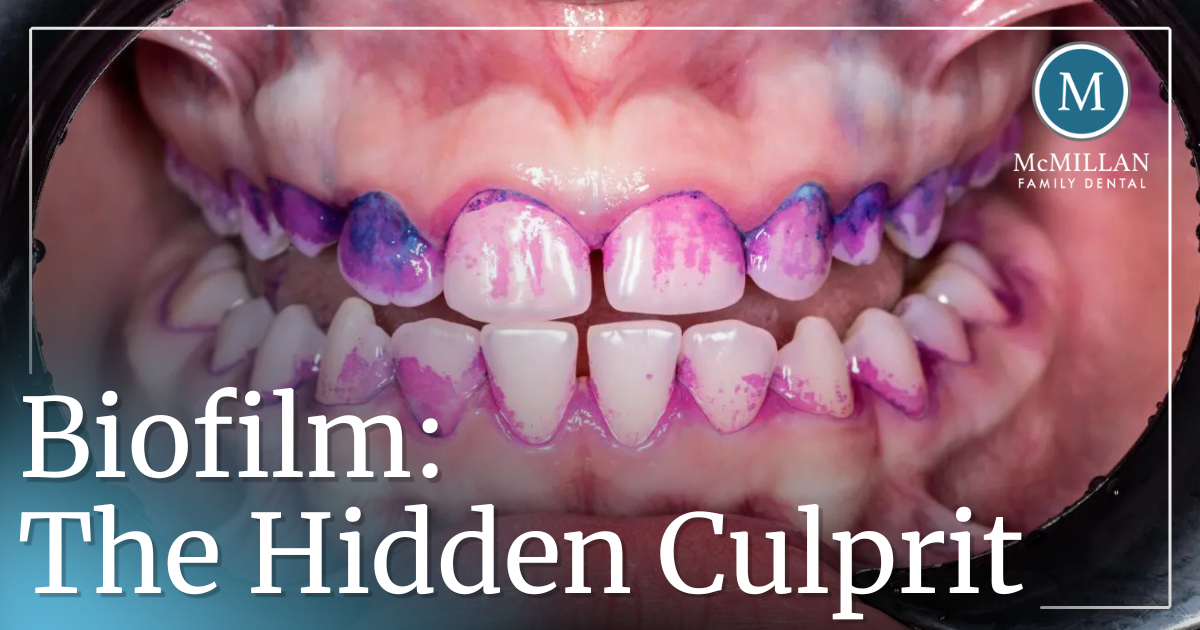
Biofilm is a thin, sticky layer made up of bacteria that naturally forms on the teeth, gums, and other surfaces inside the mouth. These bacteria attach to one another and form a protective community that allows them to grow and multiply. Everyone develops biofilm. In fact, it begins forming again within hours after brushing your teeth.
Not all oral bacteria are harmful, but when biofilm is allowed to remain on the teeth and around the gums for too long, it can create an environment that increases the risk of cavities and gum disease. At McMillan Family Dental, preventive care is designed to help patients maintain healthy smiles for life. One of the ways we do that is by focusing on removing harmful biofilm using modern technology.
How Is Biofilm Different From Plaque and Tartar?
Plaque is the soft, sticky buildup that develops when biofilm mixes with food particles and saliva. If plaque is not removed through daily brushing and flossing, it can harden into tartar, also called calculus. Unlike plaque, tartar cannot be removed at home with a toothbrush. It requires professional instruments during a dental cleaning. Biofilm initiates the entire process. Because it contains living bacteria, it’s the source of many of the oral health problems dentists work to prevent. By disrupting and removing biofilm before it has an opportunity to mature, we can help reduce the likelihood of future dental concerns.
Why Biofilm Matters
The bacteria in biofilm produce acids and toxins that can affect teeth and gums. Over time, these substances weaken tooth enamel, increasing the risk of cavities. Around the gums, they can trigger inflammation that may lead to gingivitis and, if left untreated, more advanced periodontal disease.
One of the challenges is that biofilm develops quietly. Many patients don’t notice any symptoms until inflammation or decay has already begun. This is why preventive dental appointments play such an important role. They allow us to identify areas where biofilm tends to accumulate and remove it before it causes more significant problems.
Precision Biofilm Removal
At McMillan Family Dental, we use Precision Biofilm Removal as part of our commitment to providing advanced preventive care. This modern approach uses specialized technology to identify and gently remove biofilm from the teeth and along the gumline. Rather than relying solely on traditional polishing methods, Precision Biofilm Removal targets the bacterial biofilm that contributes to cavities and gum disease, making the cleaning process more thorough and comfortable.
Whether you’re focused on preventing cavities, maintaining healthy gums, or protecting existing dental work, managing biofilm is an important part of long-term oral health. Patients with braces, dental implants, crowns, bridges, or a history of gum disease may benefit especially from careful biofilm management, as bacteria can accumulate in areas that are more difficult to clean at home.
Even patients with excellent brushing and flossing habits can benefit from professional biofilm removal during routine dental checkups. Home care remains essential, but regular professional care helps remove buildup from areas that are not always easy to reach.
Small Steps Make a Lasting Difference
Healthy smiles are built on consistent preventive care. Removing biofilm before it can cause problems is one of the simplest ways to protect your teeth and gums in the future.
If it is time for your next preventive appointment, we invite you to schedule an appointment at our office located in Meridian, ID. We look forward to helping you experience a cleaner, healthier smile through personalized care and advanced preventive dentistry.