
Want an Easy Fix That Can Change Your Smile in One Visit?
Dental bonding is one of the most underestimated treatments in cosmetic dentistry. It does not come with the drama of veneers or the anticipation of orthodontics, yet it quietly solves problems that bother patients every single day. Many people walk around with small chips, uneven edges, or gaps that they assume require major work to fix. In reality, dental bonding often offers a simple, efficient solution that feels almost too easy for the impact it delivers. Read on to learn more.
What Makes Dental Bonding Different
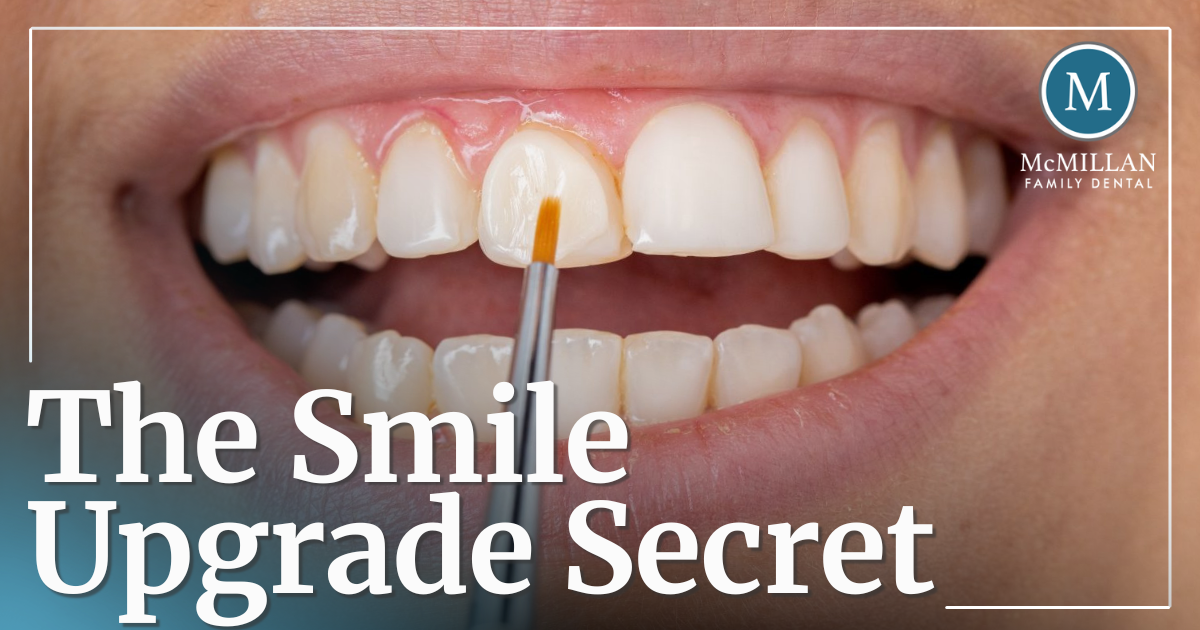
Dental bonding uses a tooth-colored resin that is carefully applied, shaped, and polished directly onto the tooth. The material blends naturally with surrounding teeth, resulting in improvements that look seamless rather than obvious. Because the resin bonds directly to the tooth structure, very little preparation is needed.
Unlike many cosmetic procedures, dental bonding is usually completed in a single visit. There is no waiting period, no lab work, and often no need for anesthesia. This makes it an appealing option for patients who want noticeable improvement without a long commitment.
The “Invisible Upgrade” Effect
The interesting twist with dental bonding is how subtle the transformation can be. Patients often say something looks better, but they cannot quite pinpoint why. That is because bonding focuses on refinement rather than reinvention.
Bonding can smooth rough edges, restore chipped corners, close small gaps, and improve tooth symmetry. These changes may seem minor individually, but together they create a more balanced, polished smile. It is the kind of upgrade that feels natural, resulting in confidence without looking overdone.
What Dental Bonding Can Fix Well
Dental bonding works best for specific cosmetic concerns. We often recommend it for patients who want improvement without extensive treatment. Bonding is commonly used to address:
- Small chips or cracks
- Uneven or worn tooth edges
- Minor gaps between teeth
- Slight discoloration that does not respond to whitening
- Misshapen or asymmetrical teeth
Because bonding preserves most of the natural tooth, it is often considered a conservative cosmetic option. It enhances what is already there rather than replacing it.
What Dental Bonding Cannot Do
While bonding is versatile, it does have limits. It is not designed to correct major alignment issues, severe discoloration, or significant bite problems. In those cases, treatments like orthodontics, veneers, or crowns may be more appropriate.
Bonding material is also not as strong as natural enamel or porcelain. This means it can chip or stain over time, especially if patients have habits such as nail biting or chewing on hard objects. We can help you decide whether bonding is the right choice based on lifestyle and long-term goals.
Caring for Bonded Teeth
Bonded teeth are cared for much like natural teeth. Regular brushing, flossing, and routine dental visits help maintain results. We often advise against biting directly into very hard foods and to limit habits that put excess pressure on teeth. With proper care, dental bonding can last several years. Touch-ups or refinements are usually straightforward if needed, making bonding a flexible option.
Why Bonding Is Worth Considering
Dental bonding proves that cosmetic dentistry does not always need to be complex to be effective. It offers a practical, approachable way to improve a smile without major disruption. For patients who want meaningful change with minimal intervention, bonding often feels like a smart first step.
Sometimes the best dental solutions are the ones that quietly fit into your life and deliver results without fuss. Dental bonding does exactly that. Contact McMillan Family Dental at our office located in Meridian, ID to schedule an appointment.