
The Connection Between Stress and Oral Health
Stress is something everyone experiences from time to time. Work pressures, family responsibilities, and daily challenges can all build up and affect your body’s functioning. What many people do not realize is that stress can also manifest in the mouth, often in ways patients do not immediately connect to their oral health.
How Stress Affects Your Mouth
Stress triggers a series of responses in the body. When hormones such as cortisol increase, the immune system may become less effective, and muscles tend to tighten. These reactions can create several oral health issues that we see quite frequently.
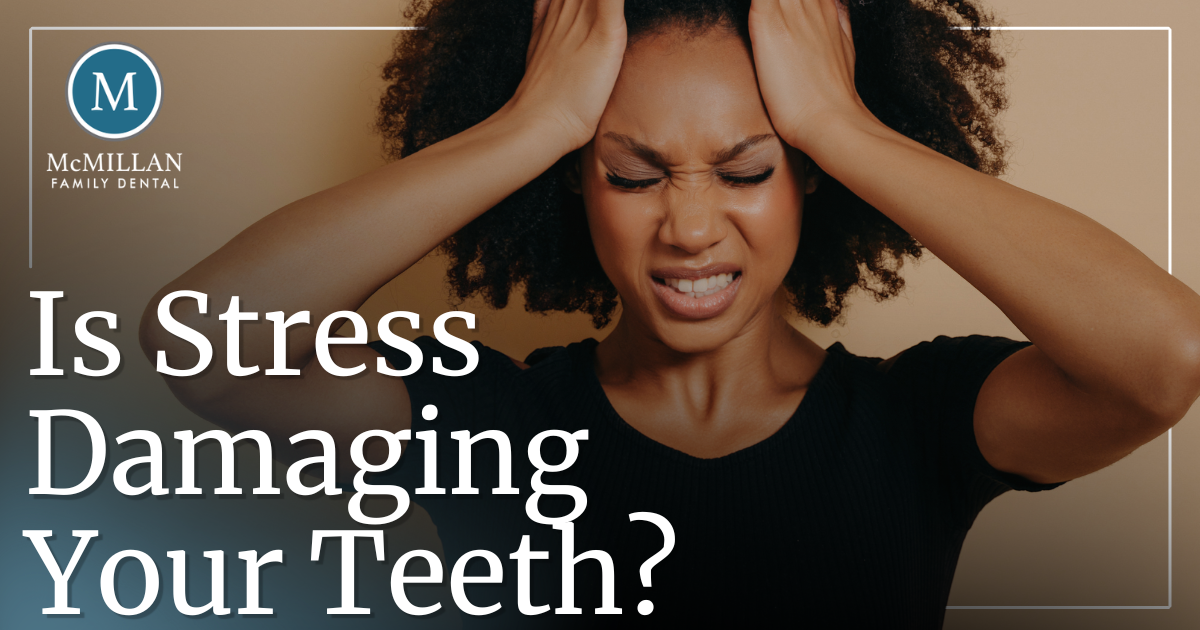
One of the most common problems is teeth grinding, also known as bruxism. Many people grind their teeth during sleep without realizing it. Over time, this habit can wear down tooth enamel, create tooth sensitivity, and even lead to small cracks in the teeth.
Stress can also affect the jaw muscles. People under stress often clench their jaw throughout the day or night. This tension can result in headaches, facial pain, or temporomandibular joint (TMJ) discomfort.
Stress and Gum Health
Your immune system plays a major role in maintaining your gum health. When stress levels are high, the body may have a harder time fighting off bacteria in the mouth. This can make the gums more vulnerable to inflammation and infection.
Gum disease often begins with symptoms such as redness, swelling, or bleeding when brushing or flossing. If it progresses, it can damage the tissues that support the teeth. Chronic stress may increase the likelihood of these problems because the body’s natural defenses are not functioning optimally.
Stress can also influence daily habits. Some people skip brushing or flossing when they feel overwhelmed or tired. Others may start stress eating, turning to sugary snacks or drinks for comfort, which increases the risk of cavities.
Mouth Sores and Other Stress-Related Symptoms
Another common sign of stress is the appearance of mouth sores. These small ulcers can develop inside the cheeks, on the lips, or along the gums. While they are usually temporary, they can be uncomfortable and may appear more frequently during periods of emotional strain.
Dry mouth is another issue linked to stress. When the body is anxious, saliva production may decrease. Saliva is important because it helps wash away bacteria and neutralize acids in the mouth. Without enough saliva, the risk of tooth decay and bad breath can increase.
Protecting Your Oral Health During Stressful Times
Managing stress is beneficial not only for your overall health but also for your teeth and gums. While life will always include some level of pressure, there are simple steps you can take to protect your oral health during difficult periods.
Start by maintaining consistent oral hygiene habits. Brushing twice a day and flossing daily helps keep harmful bacteria under control. If you notice signs of grinding or jaw tension, your dentist may recommend a night guard to protect your teeth while you sleep. It can also help to focus on stress-reducing activities such as exercise, deep breathing, or spending time outdoors. These habits support both mental well-being and physical health.
Regular dental visits are important for managing the effects of stress on oral and overall health. We can often detect the signs of stress-related issues before they become more serious. Addressing these problems early helps preserve your teeth and your health for years to come.
When to Speak With Us
If you notice symptoms such as jaw pain, sensitive teeth, bleeding gums, or frequent mouth sores, it may be time to schedule a dental appointment with us at McMillan Family Dental, located in Meridian, ID. These signs can sometimes be linked to stress, and we can help identify the cause and recommend the right treatment.
Your oral health is an important part of your overall wellness. By understanding how stress affects the mouth, you can take proactive steps to care for your body and your smile.